Complex Colonic Polyp Resection
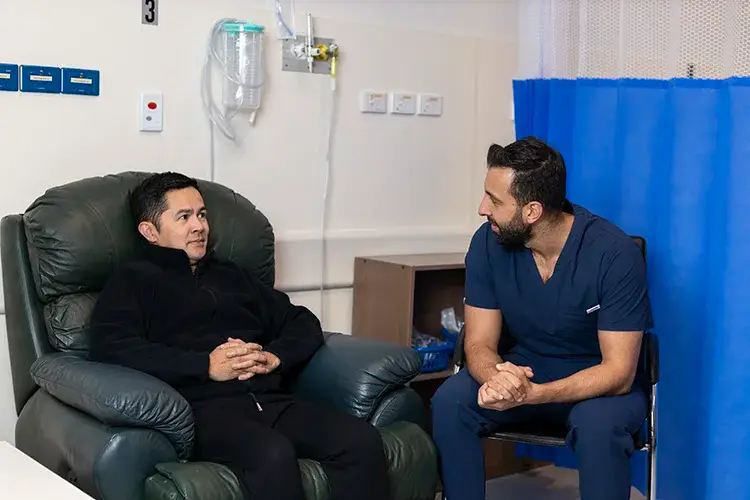
What are colonic polyps?
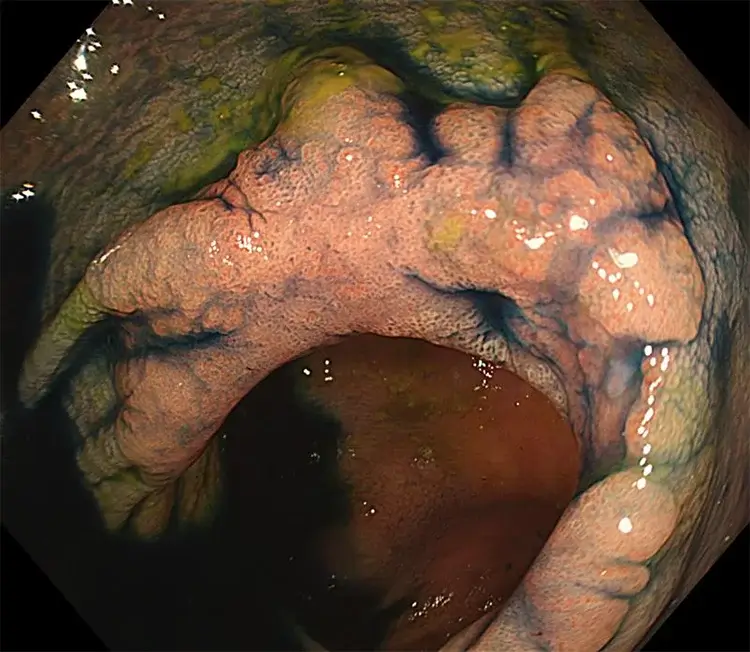
Colonic polyps are small growths that form on the inner lining of the large bowel (colon). Most are harmless, but some can develop into bowel cancer if left untreated.
What are complex polyps?
Complex polyps are larger, flatter, or located in harder-to-reach areas of the bowel. Because of their size and shape, they can be more difficult to remove and may sometimes contain early cancer. Managing these polyps safely requires an advanced endoscopist with specialised training, which can allow complete removal without the need for major surgery.
Endoscopic Resection (EMR and ESD)
During colonoscopy, larger or more complex polyps can be removed using specialised techniques. Endoscopic Mucosal Resection (EMR) is commonly used to lift and remove larger or flat polyps, while Endoscopic Submucosal Dissection (ESD) allows very precise removal of complex or early cancerous polyps in one piece. The resection method of choice will depend on what type of polyp you have and where in the colon the polyp is located- Dr Eqbal will explain this to you in detail.
Endoscopic Mucosal Resection (EMR)
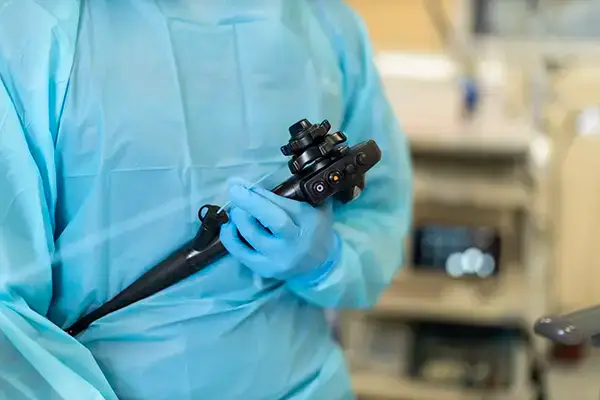
Endoscopic Mucosal Resection (EMR) is performed during colonoscopy. Fluid is gently injected beneath the polyp to lift it away from the bowel wall. A fine wire loop (snare) is then placed around the polyp and removed with a small electric current, which also seals blood vessels to reduce bleeding. Larger polyps may be removed in pieces. All removed tissue is collected and sent to the laboratory for analysis.
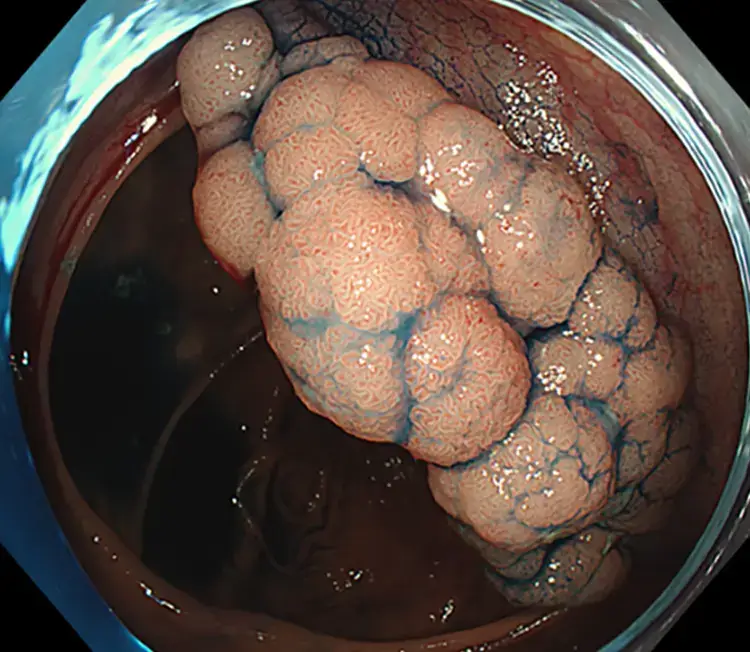
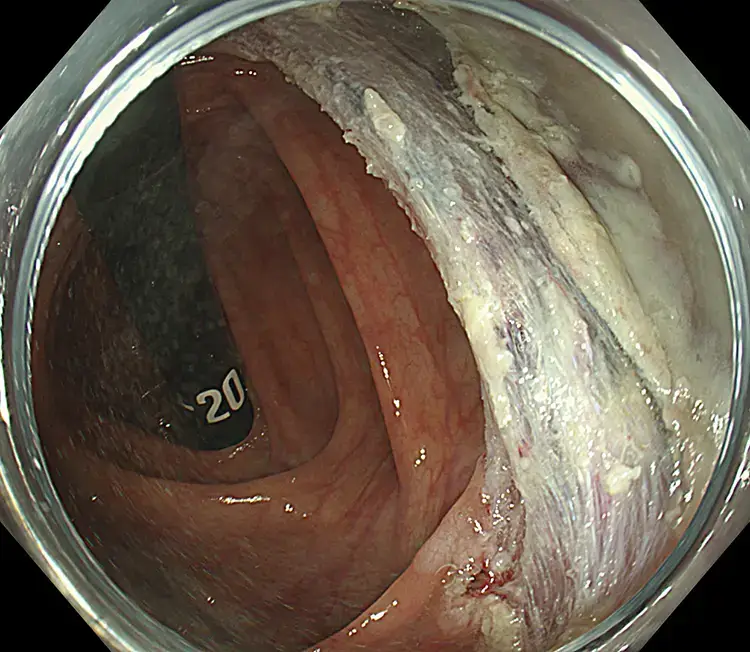
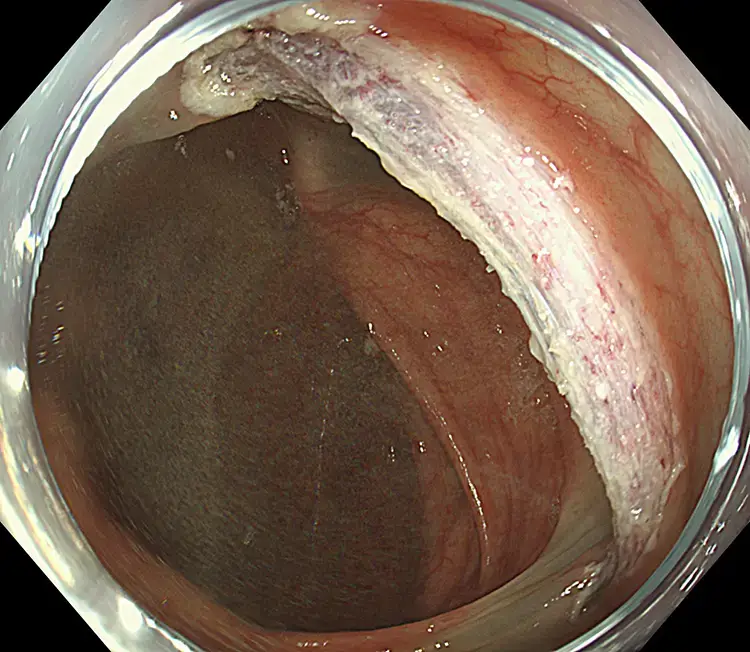
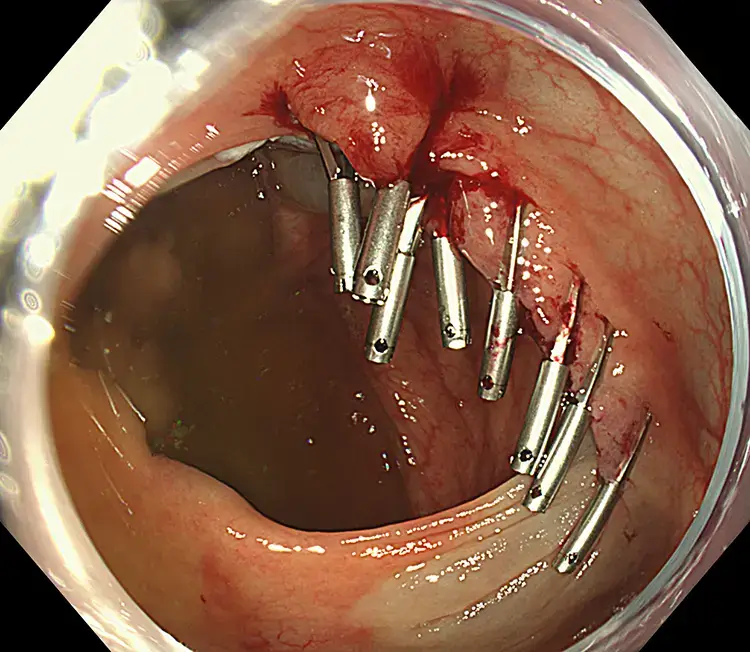
This is a large, 6cm ascending colon tumour which was successfully resected by EMR.
Endoscopic Submucosal Dissection (ESD)
- Endoscopic Submucosal Dissection (ESD) is performed during colonoscopy. It is a procedure used to remove larger or more complex polyps from the bowel lining. A special knife is used to carefully separate it from the deeper layers of the bowel wall. Unlike other methods, the polyp is removed in one piece, which allows precise analysis in the laboratory and reduces the risk of it coming back.
- Rectal polyps: ESD is particularly important for rectal polyps, as these types of polyps carry a higher risk of developing bowel cancer. By enabling precise, one-piece removal of complex or early cancerous polyps, ESD provides accurate diagnosis and complete treatment for early cancers, while often avoiding the need for major surgery.
Will EMR or ESD be performed?
Whether EMR or ESD is performed depends on the size, shape, location of the polyp, and whether there is concern for early cancer. Dr Eqbal will carefully assess your case and recommend the safest and most effective option for complete removal.
Click the image above to see a short video demonstrating the procedure
Recovery and Aftercare
Both EMR and ESD are carried out under deep sedation or a general anaesthetic. Most patients are able to go home the same day once they have recovered, although in some cases an overnight stay may be required for monitoring. It is common to experience some bloating, mild discomfort, or a small amount of blood in the stool, which usually settles quickly. Strenuous activity, heavy lifting, and alcohol should be avoided for 24-48 hours. If you develop severe abdominal pain, heavy bleeding, fever, or feel unwell, you should contact the hospital immediately.